


Farming is expensive, and winter presents problems in that regard. It’s too cold to grow most plants or gather enough eggs for market. In areas where snow is common, livestock are secured in protected areas. But you can make a little money with winter farm products.
Grow laurels that become wreaths, or break into your berry harvest for some jam. Snag some of those bundled herbs to bring high value to your market stand. If you have leftover wool, make some fleece or yarn. A large harvest of peppers can become your customer’s favorite pickled or salsa.
Whichever makes the most sense for your farm, try it out if you have the time. Winter is the perfect time to think about what you can add to your farm next spring in preparation for the holiday season. Capitalize on the things you know you’ll have lying around to boost your revenue.
Wreaths and Laurels
Laurel wreaths can be free in areas where evergreen conifers are common. If your farm is full of spruce, redwood, juniper, or pine, you can make laurel wreaths. But wreaths don’t have to come exclusively from conifers. They can also be made from any evergreen, including eucalyptus, holly, and mahonia.
Forage for wreath materials, and the only expense is the energy it takes to collect your materials. Use rosehips, cones, dried flowers, and feathers to create a varied display. A red bow gives the wreath a Christmasy vibe, but the sky is the limit here.
Similar to wreaths are laurels and Christmas trees. If you have a good stand of conifers, both are specialty holiday items that bring a lot of revenue.
Herbs
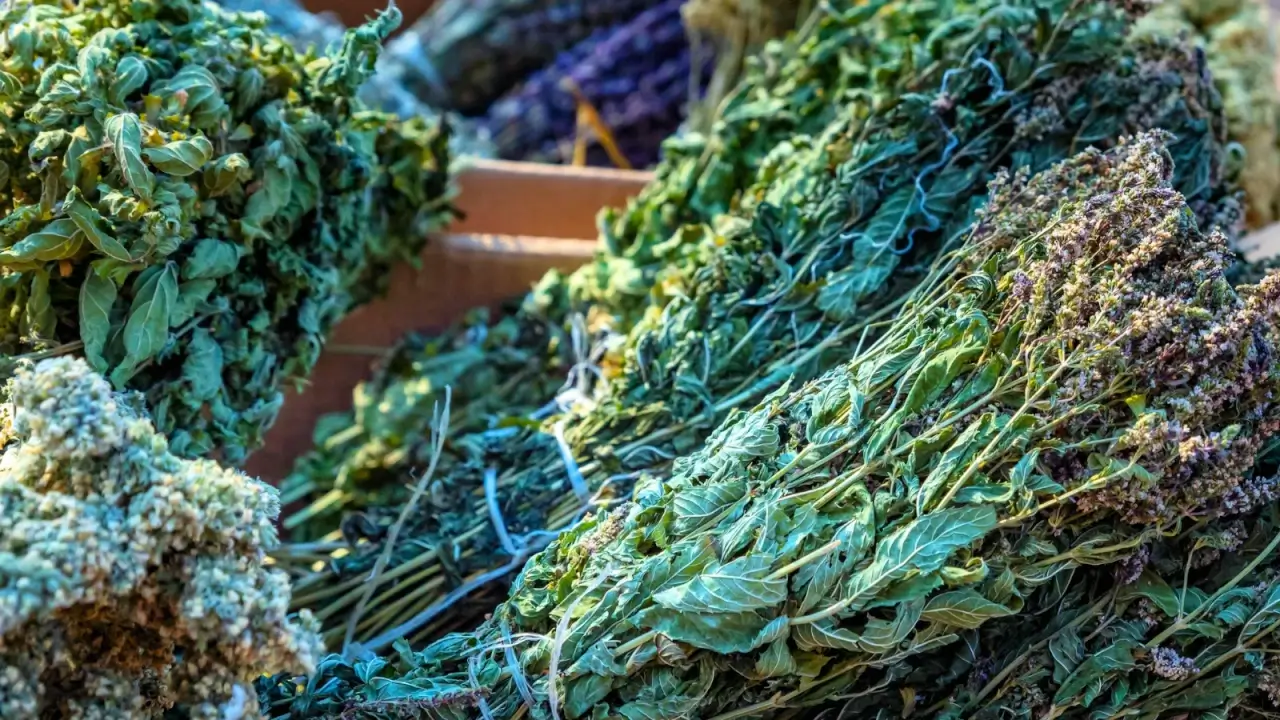
In winter, the herbs have been harvested and bundled. Why not bring a few of those to market? Bundles work for burning, flavoring soups, and seasoning proteins. If you’re in a mild area, a fresh bundle is a great addition to your market stand.
You don’t have to stop at bundles. Make satchels or tea blends. Even dried and processed herbs work here. Put them in a sterilized, dry jar and bring those to customers. If your market has room for medicinal herbs, sell tinctures or tisanes.
Jams and Jellies
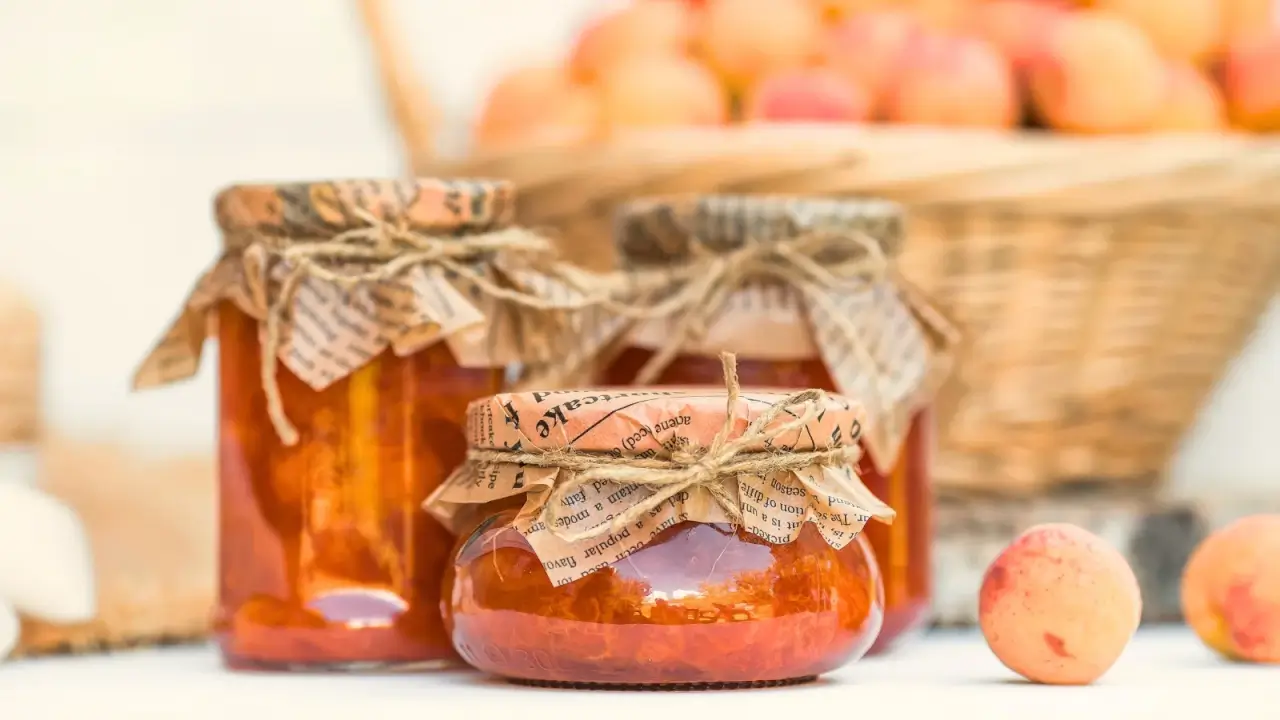
For farmers with stored fruit harvests, making jam or jelly to sell during the holiday season is a boon. This works for farmers with neighbors who offload produce at the end of the season, too. It takes time and effort to make jam or jelly, but you can turn a profit pretty easily with just a slight surplus.
Jams are not relegated to berries alone. Plenty of vegetables make awesome jams, including pumpkins, tomatoes, jalapeños, and onions all make delicious jams. Bacon jam is a culinary delight. If you’re a jam connoisseur, experiment and have fun. Then turn a profit on interesting winter farm products.
Wool
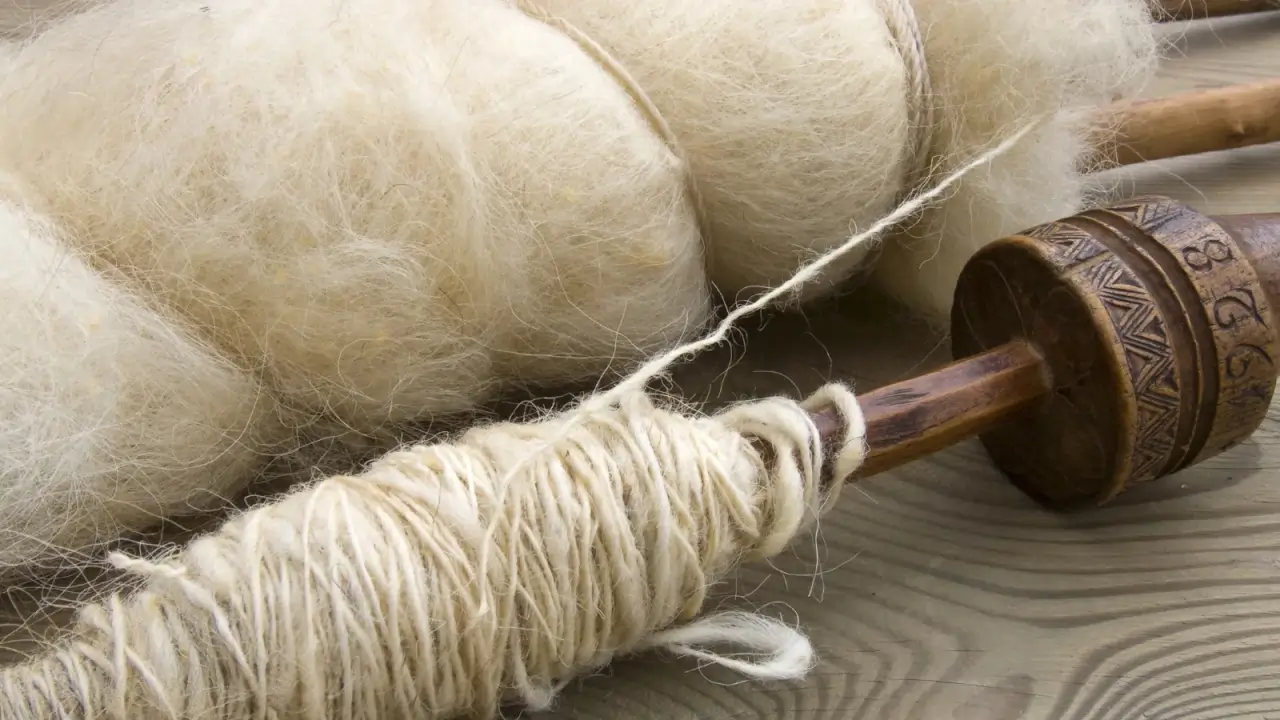
Sheep are unwittingly generous with their wool. In the winter, you might not have a ton of wool lying around, but if you do, you can turn it into fleece. This requires tools that can be expensive. You have to skirt, scour, separate, and spin the wool into string. Then, weave it if you want to make a piece of fabric.
But if you already have these tools lying around, it’s a fun winter project that produces unique pieces that turn quite a profit. Some shepherds find they have lots of waste wool lying around, and being able to clear the space where it would be stored and make some money is a win-win.
At the very least, wool can be a viable mulch in the garden space. Applying the wool to the growing space is a space and money-saving tactic. It’s just as good for weed suppression and soil protection as other types, and slowly releases nutrients into the profile as it breaks down.
Pickles, Salsas, and Sauces

Much like jams, you can take stored veggies to make pickles, salsas, and sauces. All of these are worth lots of money on the market. They offer high value to customers who may need something to make their holiday aperitif or meal more exciting. Having something local to share with friends and family adds communal flair.
While it may be too late for traditional pickles, pickled onions are highly sought after. Pickled peppers and carrots with radishes and beets are delicious. When you’re deciding what to pickle, get out your pressure canner for those low-acid foods to prevent botulism.
In the south, farmers are packing up all the peppers they’ve grown through summer and fall. This presents an opportunity to make an awesome, flavorful salsa or sauce that pairs nicely with tacos, pastas, and more. These cottage foods have a huge return on investment, especially if they are interesting and flavorful.
What Do Farmers Do During The Winter?
It’s not an off-season, that’s for sure, but many producers say winter work has become increasingly important.
The post 5 Simple Value-Added Products You Can Produce on the Farm in Winter appeared first on Modern Farmer.