
Rugs are one of my favorite design elements because they instantly transform a space. They’re not usually the first thing people notice, but when the rug is wrong, you notice immediately (or at least I do). Choosing the correct rug can be surprisingly tricky. Between size, material, pattern and placement, there is a lot to consider. After years of designing rooms for clients and in my own home, I’ve picked up a few tried and true guidelines that make selecting the right rug much easier. This post is packed full of great info! I’m sharing my best designer tips, as well as including some examples from my house. This guide shares how I think through rug selection… it’s practical, intuitive, and rooted in creating a home that feels warm, layered, and lived-in. I’m walking you through what actually matters when choosing a rug for any room in your house. I hope it’s helpful. Click through for the post or definitely pin this one for later!
While we’re on the topic of rugs, you might also want to check out, how to install a stair runner with an easy staircase landing. Stairs can be especially tricky when it comes to rug selection. I used the Florence sisal rug from my shop, Tuesday Made. I definitely recommend that you never skip the rug pad beneath your area rug! It’s really important. Let’s get to it…
Why Every Room Needs a Rug

First, let’s talk about why area rugs are necessary in interiors for both functional and aesthetic reasons. A beautiful room can fall flat without a rug that supports or anchors it. Rugs bring a sense of grounding that ties furniture, color, and your aesthetic together. When you walk into a room with the right rug, things naturally feel cohesive. More than anything, rugs influence the tone of a space. That’s why I often treat the rug as the starting point… its texture and palette help set the direction for everything else. Rugs are beneficial in many ways, but here are ten reasons why I personally incorporate one into every room of our home.
- They add personality and style to a room.
- They feel cozy and inviting underfoot.
- They help with acoustics and reduce echo.
- They add balance to a vignette.
- They help define the floor plan.
- They protect the flooring underneath or disguise floors that aren’t aesthetically pleasing.
- They provide traction, preventing slips and falls.
- They insulate a space far better than hardwood flooring or tile, adding warmth.
- They can instantly change the way a room looks.
- They can guide the entire design direction of a room.
Consider the Location of the Rug

Before thinking about pattern or color, consider where the rug will live. Obviously if you’re on the hunt for a rug, you already know what room it’s going in. However, there are some things to analyze about the space before you begin the search. Will the rug live in a high traffic area? Does this room see moisture- like a bathroom or kitchen? Is it near an exterior entrance? Being realistic about how the space is used or how the rug will function will help you hone in on the appropriate material.
For example, a rug in a high traffic space should be extra durable. If the rug is in a room where moisture is a concern, you’ll want to consider a naturally wicking material, like wool. Entryways and hallways benefit from durable runners that can withstand consistent foot traffic. A rug near an exterior entrance should be easy to clean, as dirt and debris is tracked in. Different spaces have different needs, and understanding the location helps guide decisions about size, durability, and the overall look. Thinking through the function of the space makes it easier to narrow down what will work best. The right rug should support your lifestyle while also elevating the design.
Choosing the Right Material for Your Home

Once you know where the rug will be used, material becomes the next important factor. You want your rug to withstand the test of time. Think about how the space functions. Are you looking for a family friendly rug? Do you have pets? Are synthetic materials a concern? What is your budget? These questions naturally guide you toward the right fiber and construction.
Natural fibers like jute and sisal can add beautiful texture in casual spaces, while performance blends or vintage rugs hold up best in high traffic areas or homes with pets. Begin by considering what the room demands functionally speaking, you can then choose a material that fits into your everyday routine or lifestyle.

If durability and easy maintenance are priorities, wool, synthetic blends, or natural woven materials such as jute, sisal, or seagrass may be the best fit. Some synthetic materials contain chemicals, and when their fibers become airborne they can be harmful to your health, so always read labels carefully. If you prefer to avoid chemicals or are working toward a greener home, natural materials like wool, cotton or woven plant fibers are awesome options. Check out this post for the best natural fiber area rugs.
Budget also plays a factor. Natural materials and handwoven rugs typically cost more than synthetic or power loomed rugs (machine made.) Vintage rugs offer a durable and eco conscious alternative. Most vintage rugs are made of wool and have already proven their longevity.

I’ve used just about every type of rug material over the years, but I always find myself coming back to natural materials- especially wool. It is durable, naturally stain resistant, soft underfoot and incredibly long lasting. There is also an added benefit many people overlook. Rugs act as natural air filters, trapping allergens and keeping dust in place until it’s time to clean. Wool rugs actually remove allergens from the air, preventing the growth of bacteria and dust mites. Studies show wool is the best material for resisting dust mite infestation. It also wicks moisture, preventing mold. It’s pretty neat and one of the many reasons I love wool. Clearly I’m passionate about it!
Pattern, Color, and Creating Visual Balance

Next, let’s chat aesthetics… the fun part of choosing an area rug! Rugs influence the palette and personality of an entire space, which is why I often select the rug early when designing a room. I always try to keep contrast in mind. For example, if your room is composed primarily of solid textiles (upholstery, furniture, drapery, etc.), then a patterned area rug may insert the perfect juxtaposition. Another perk? Patterned rugs easily hide stains and dirt in high-traffic areas. If your furniture or drapery is bold or patterned, maybe a neutral or solid rug would look best. Traditional patterns always feel timeless. Subtle patterns create a serene foundation. Bold patterns energize a space and become the focal point.
Another good tip? Use your room as a starting point… pull an existing color out of the space and repeat that in your area rug. For example, if your drapery has blue ticking stripes, try to repeat that same blue in your area rug. If you have a large scale painting that is primarily green hues, match that color story in your rug for a thread of cohesion.
A little color (or lack thereof) goes a long way and can really affect the overall mood of a room. That’s another thing to consider… lighter colored area rugs make a space feel larger and more open, while rich dark colors create more definition, which results in a moody, cozy, or intimate space.

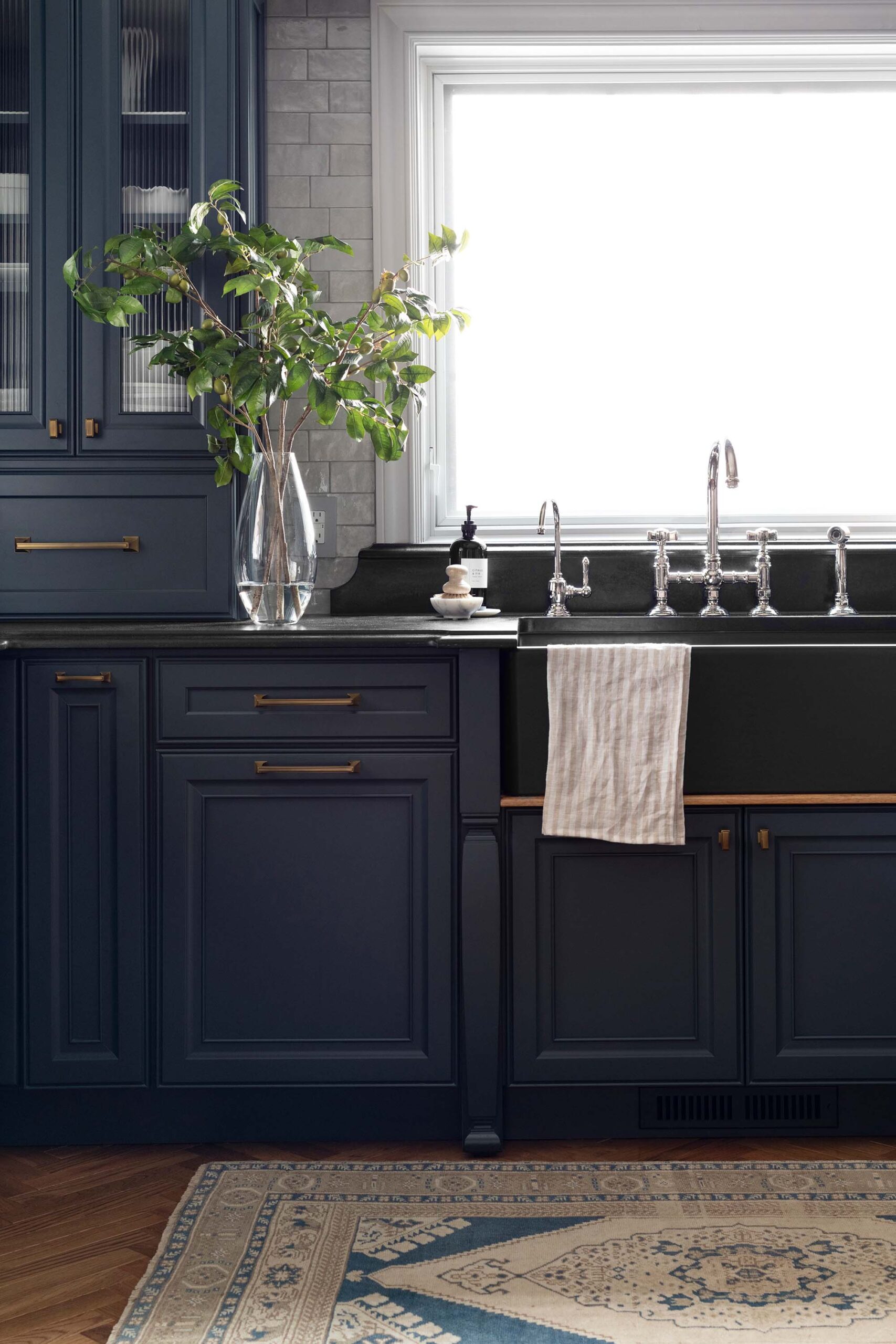
One last tip in regard to aesthetic that I feel is important… make sure your rug holds enough contrast to your floors. Our herringbone hardwood floors actually make selecting a rug challenging. They’re a medium tone with a strong pattern, which means I need something either much lighter or significantly darker. Certain rugs compete with the herringbone, so I either opt for a solid rug or a bold pattern with a contrasting scale, either super small or super large. It’s the best way to make the design feel intentional. Variation is a good thing when it comes to style!
Placement and Proportion

Correct placement is what helps a rug feel polished and purposeful. Size and proportion play a big role, and this is where I see many people struggle.
In living rooms, aim for a rug that allows at least the front legs of your sofa and chairs to sit comfortably on top. This visually connects the seating arrangement and prevents furniture from feeling like it is floating. In bedrooms, a rug should extend beyond the bed to create softness underfoot. Dining rooms feel most balanced when the rug is large enough that chairs can be pulled out without catching on the edge.

Now that you have some basic info, next you’ll have to do some measuring. First, measure your room or the area where you’ll be installing a rug. Next, write down a minimum and maximum ideal rug size- this will come in handy and give you more options, especially if you’re considering odd sized vintage rugs.
The most common rug size mistake I notice? Rugs that are too small! It makes sense because the larger an area rug, the more it costs, so it’s easy for people to go smaller rather than larger. Trust me when I say, it’s always worth saving for the correct size!
My biggest piece of advice for ordering the accurate size rug is to test it! Use painters tape to visualize the actual rug size in your room. It’s the most helpful, inexpensive tool for understanding how the size plays in your space and how your existing furniture interacts with it. After selecting the right size, place the rug in alignment with architectural elements or the main focal point. Think of it as the floor level foundation that organizes the rest of the room. When a rug is proportionate and intentionally positioned, the entire space feels considered and complete.

Absolutely! I shared a guide on how I do it here at home… how to clean and care for natural fiber rugs (without ruining them). You can also clean vintage rugs at home!
Yes- check out this post, where I share the best keywords to use when searching for large vintage rugs. It’s all about the algorithm and search terms.
Unfortunately, yes. Here’s exactly why you shouldn’t skip the rug pad!
Here are 25 neutral and beautiful outdoor area rugs for the patio… all have my designer stamp of approval!

Related Posts
Looking for more designer tips and tricks of the trade? I’ve shared a bunch, but these are the most popular…
- How to Choose the Right Wall Trim and Baseboard Style for Your Home
- How to Layer Lighting Like a Designer
- How I Designed a Classic Kitchen That Still Feels Timeless
- How to Mix Metals in Your Home Like a Designer
- 12 Designer Tips to Make Your Ceiling Look Taller
- How to Design a Cohesive Home That Flows Room to Room
- How Designers Choose & Use Wall-to-Wall Carpet: 10 Tips
- 20 Things Every Bedroom Should Have (According to A Designer)
- Timeless Home Decor: Accessories Designers Love
- Designer Tips for Making Outlets & Light Switch Plates Look Better

The right area rug establishes balance, anchors your layout, adds warmth, and brings character to your room. When you consider size, material, pattern, and placement, your rug becomes the grounding element that pulls the entire vignette together. I hope these designer tips help you confidently choose a rug that feels functional, beautiful, and representative of your personal style. Please let me know if you have any rug questions. I’m happy to help answer any specifics in the comment section below!

The post How to Choose the Perfect Rug for Any Room appeared first on Room For Tuesday.