
It’s easy to fall victim to the “sad beige” or “millennial beige” trend. There’s comfort to a cohesive, neutral color palette, and therapist-turned-interior designer Anita Yokota recently shared that a clutter-free, calm home design can even support your mental health. In search of a balance between soothing, muted colorways and a creative, personalized space, I turned to a few West Coast designers for help.
“Millennial beige gained popularity because clients were seeking ways to find refuge at home from the hustle and bustle of life by visually decluttering their home environments and opting for a more minimal, soothing atmosphere,” explains Kim Doherty, an interior designer and the founder of KADI Design in Newport Beach, California. “Now is the time to say goodbye to dull and boring beige rooms and shift toward neutral spaces that feel more personal, established, and just plain fun.”
As we bid farewell to boring, here’s how to usher in a new approach to neutrals:
1. Engage the Senses
Design by Anita Lang; Photo by Isaac Bailey
If there’s one pro tip to remember, it’s layer, layer, layer. Anita Lang, luxury interior designer and founder of IMI Design, takes this requirement even further, recommending that you layer with intention.
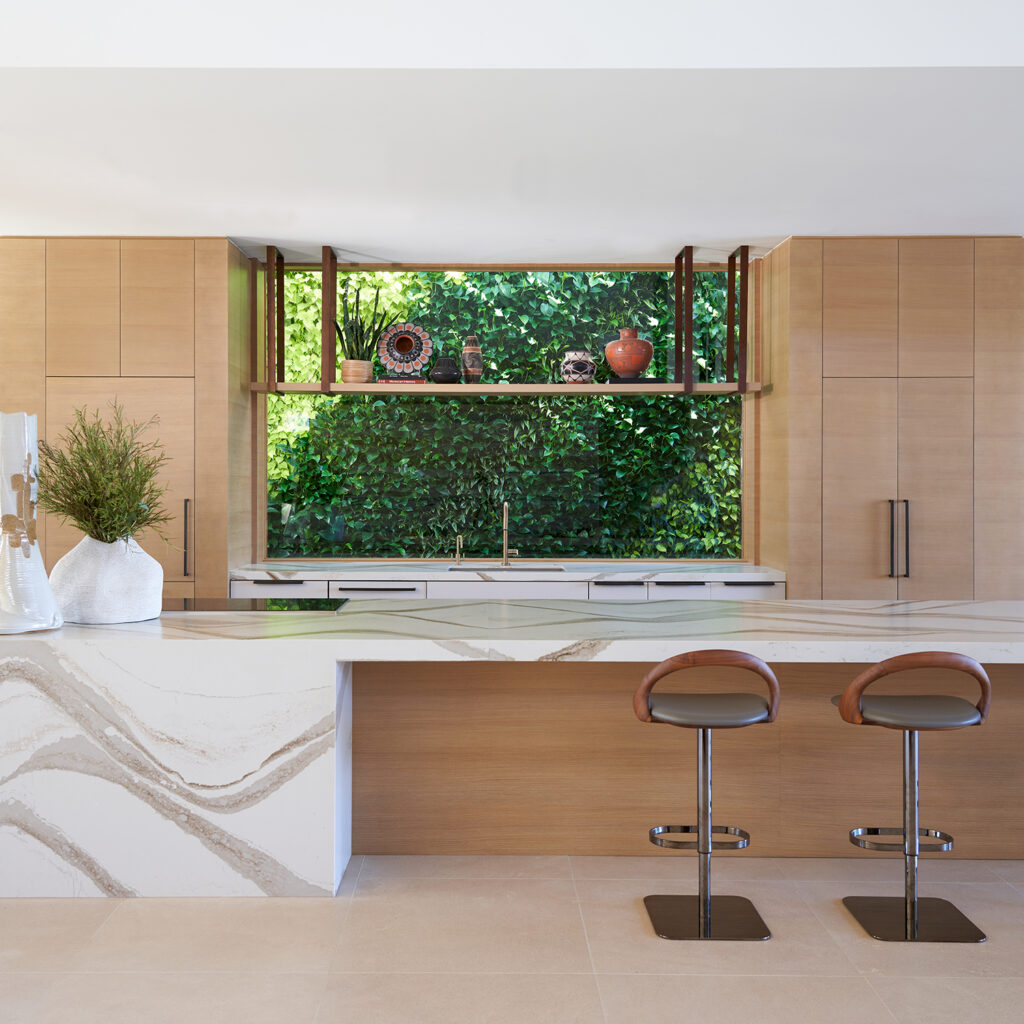
“Incorporate textures, polished metals, velvets, and authentic materials such as natural woods and stones to create visual and tactile contrast,” she says. “It’s the interplay of finishes—matte against sheen, coarse against soft—that brings a room to life.”
Both Lang and Doherty support introducing specialty wall finishes, such as hand-troweled plaster or grass cloth for an unexpected textural element. “It’s an architectural way to add richness without disrupting the serenity of a neutral scheme,” Lang adds.
Doherty notes rugs and throws create more dimension in a living room, penny tiles are interesting components for a bathroom, and varying materials for bed linens are best for bedrooms.
2. Add More Soul to Your Space
Design by Anita Lang; Photo by Isaac Bailey
Vintage pieces give any room more charm and a bigger story to tell. “They bring a patina and narrative that new items simply can’t replicate,” Lang says. “One of my favorite recent additions to a Scottsdale project was a vintage console—it grounded the space and gave it soul.”
Stephanie Hunt, founder and creative director of the Salt Lake City-based design firm The Flairhunter, sources vintage for a special touch in her clients’ homes. Old ceramic pots for plants, an art display of oyster plates with soft watercolor glazes, and vintage fabrics draped over furniture are a handful of her most inspired ideas.
“Vintage, weird, unexpected things make a home feel personal and individual,” she says. “I love filling a glass cloche with items one wouldn’t expect: a collection of old skateboard wheels, piles of old kids’ toys like bouncy rubber balls from the ‘70s, dominos, and other items.”
3. Mix Old and New
KADI Design
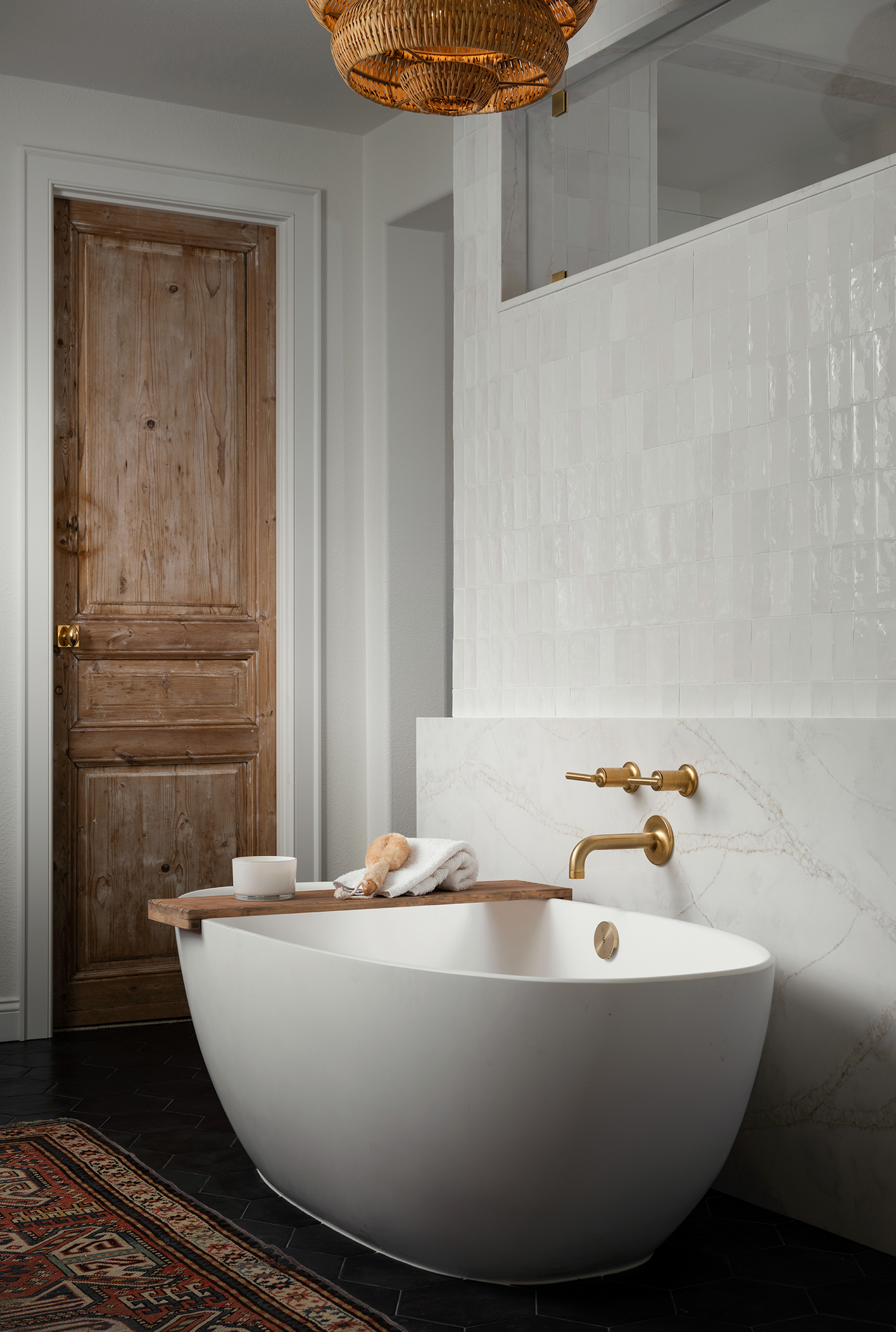
There are some designer-approved ways to blend design eras, and Doherty calls it a “lesson in juxtaposition.” “Mix modern with vintage, texture with solid, smooth surfaces, and pops of color within a soothing color palette,” she advises. “Each room in the house should have a mix of old and new. Vintage items added sparingly alongside other modern elements create an allure that can’t be beaten. For the bathroom, pair a modern spa-like tub with a rustic bath caddy or add interest with a vintage door and pair it with a clean-lined door casing, painted in soft white.”
4. Get Strategic with Color
Our experts have two routes to take here: Lang loves what she refers to as “tone-on-tone variation” (i.e. ivory with a warm gray) for a subtle yet sophisticated palette. Meanwhile, Doherty encourages you to experiment with carefully placed pops of color.
“I love a vintage rug to warm up beige rooms, or color can come in the form of your favorite plants for a pop of green,” she says. “If you want to try dipping your toe into color but are afraid to commit to anything too permanent, try adding a collection of candles in deep browns or rusty oranges to your mantle or dining room table.”
5. Make It Personal
Perhaps the most concerning part of the “sad beige” style is that it’s void of personality. “Don’t forget the personal touches,” Doherty says. “A collection of seashells from your hometown displayed on a vintage silver tray, a favorite art piece that you bought on vacation, or a gallery wall with black and white photos of loved ones are some ideas on how to add something personal without overwhelming your love of neutral design.”
We only recommend things we love. If you buy something through our site, we might earn a commission.