

Experts we talked to said they were done with white minimalism, and looking forward to ornamentation, tactility, and even a connection with the cosmic.
In 2026, one big looming question within design—and well outside of it—is how artificial intelligence will shape the future. But designers and other industry experts we spoke with seem certain that even as the powerful but still-unruly tech plays a yet larger role in our lives, homes will go in the opposite direction, becoming refuges that support connection not with screens or computer-generated thought, but with one another.
Some say that sentiment will be supported by a movement away from anything white, including Pantone’s 2026 color of the year, as well as sterile minimalism. In its place will come interiors that feel warmer, darker, and more expressive, ones that favor moody atmosphere over brightness and tactility over seamless finishes. Midcentury aesthetics might prevail, but not in the bleached Scandinavian or American style that has dominated in the past.
This emphasis on something warmer and more human-centered is matched by a broader rethinking of values, too: What is lost when technology is relied on too heavily? some are asking; sustainability is still a refrain, but now with a deeper consideration for the circularity of materials and the possibilities of re-use; others are questioning what inclusivity should mean going forward, casting a critical eye on tokenism and calling for more intention and accountability when elevating unheard voices in the design world.
Here’s what five design experts loved about 2025, what they’re definitely ready to let go of, and the trends they think will define 2026.
Mike McMahon—Mike McMahon Studio
Loved It: Ornamentation
After years of restraint, ornamentation is making its way back into architecture, says London architect Mike McMahon. This renewed interest reflects a desire for buildings that engage the senses. “Ornamentation is making a comeback, with designers turning to sculpted brickwork and patterned facades to bring buildings to life,” he says. “Our [installation] at the Hampton Court Palace Garden Festival and the fluted brick facade at Royalty Studios in Notting Hill both explore this renewed appetite for tactile, expressive surfaces.”
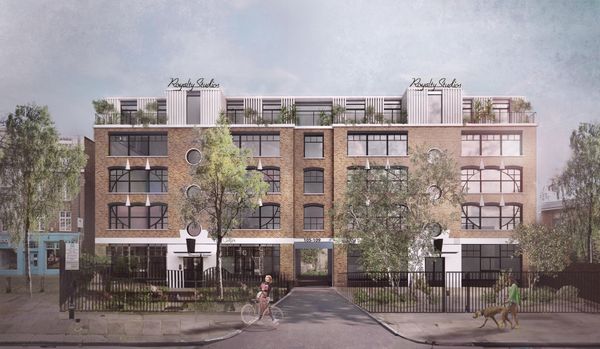
A proposed renovation of Royalty Studios in Notting Hill by Mike McMahon Studios features a “contemporary crown” with a fluted, tactile wall.
Mike McMahon Studio
McMahon also sees a shift toward more low-impact, sustainable innovation among manufacturers and material suppliers. For his installation at U.K.’s Hampton Court, for example, the studio used Kenoteq’s K-Briq, a masonry unit made from more than 95 percent recycled construction waste.
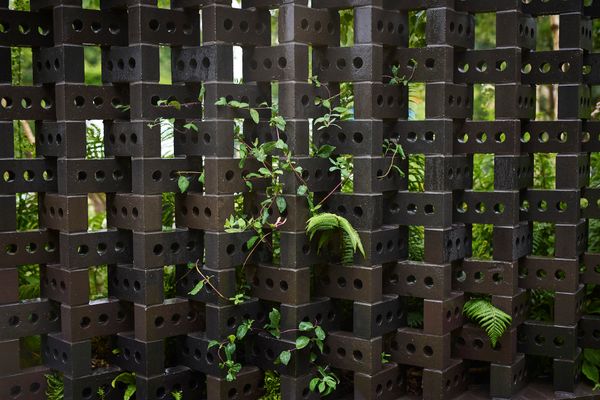
McMahon says the K-Briq masonry units show “how circular materials can slot seamlessly into contemporary design.”
photo by Gary Morrisroe
Hated It: AI Shortcuts
While AI is becoming increasingly visible across the design world, McMahon is wary of how quickly it’s being used as a substitute for architectural thinking. “Social media is flooded with AI-generated designs, and while the technology clearly has its place, its influence on architecture is more complicated,” he says. “When it’s used as a shortcut to ‘design’ buildings, the results tend to feel flat and soulless, missing the nuance, intuition, and humanity that real spaces need.”

In a story for Dwell, writer Leslie Horn Peterson used YardAI by Yardzen—an AI-powered landscape-design tool—to reimagine her own yard, with mixed results.
Photo: Leslie Horn Peterson
See the full story on Dwell.com: These Are the Home Design Trends That Will Rule 2026