

Winter is go-time for gardeners. Here’s what to do in your garden now, no matter where you are in the West.
Plant
Sundry Photography/Getty Images
—Winter is the time to start structuring food forests. Start by improving the soil and layer in native nitrogen fixers, like lupine or ceanothus, or groundcover herbs like yarrow, comfrey, and native strawberries, which thrive around existing fruit trees.
—Plant erosion-fighting trees and shrubs now while the soil is soft with wet weather. Try toyon for evergreen structure and winter berries, chaparral currant for midwinter flowers and hummingbird snacks, or Western redbud for sculptural form that blooms magenta in March.
—Tuck in native groundcovers to hold soil, suppress weeds, and quietly support the ecosystem. Plant beach strawberry for coastal creep and edible perks, creeping mahonia to lock in shady slopes, or purple three-awn grass for a swaying, drought-tough accent that doubles as erosion control.
Harvest

Grazziela Bursuc/Getty Images
—Harvest Meyer lemons, mandarins, and olives while practicing some new preserving methods. Salt-cured olives or citrus peels can be turned into homemade cocktail bitters or natural cleaners.
—Try some new flavors in your winter baking, like candied feijoa skins for something unexpectedly bright, or manzanita berries that can be ground into a tangy pink sugar that tastes like sour apple candy.
—Turn to the garden for gifts that smell like the season. Snip bay laurel for simmer pot bundles, gather juniper sprigs or pepperberries for wild-crafted wreaths, or dry lavender and native sages for handmade bath salts and aromatic bundles.
Maintain
Liliya Filakhtova/Getty Images
—Let winter teach you something by starting a garden observation ritual. Take five minutes each morning to note what’s blooming, visiting, or decaying. Track rainfall, bird sightings, and moon phases in a notebook or sketchpad—this slow data shapes your spring planning better than any app.
—Allow native plants and hedges to take shape instead of pruning everything into submission. Step away from the trimmers and observe how your plants naturally grow. Looser silhouettes not only save you time but also create better cover for birds and butterflies.
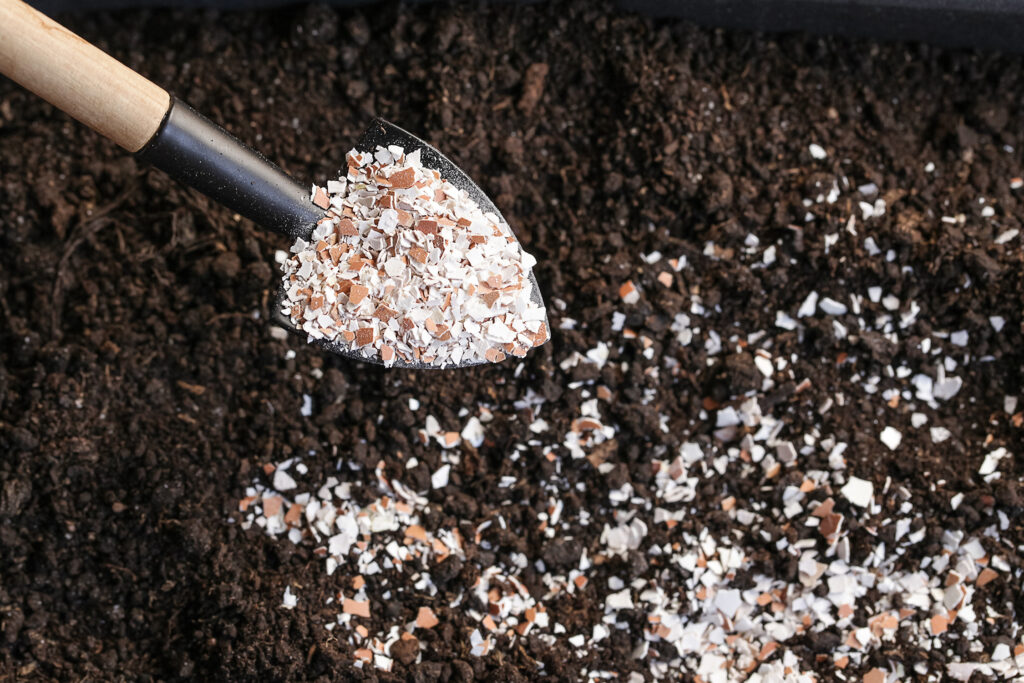
—Curate a seasonal soil pantry by keeping a stash of local compost, worm castings, leaf mold, and crushed eggshells in bins or bags, ready to top-dress containers and perennial beds—consider it your winter garden wellness cabinet.
Protect
Courtesy of Amazon
—Build brush shelters or habitat zones by using pruned branches and fallen limbs to layer brush piles for birds, lizards, and small mammals.
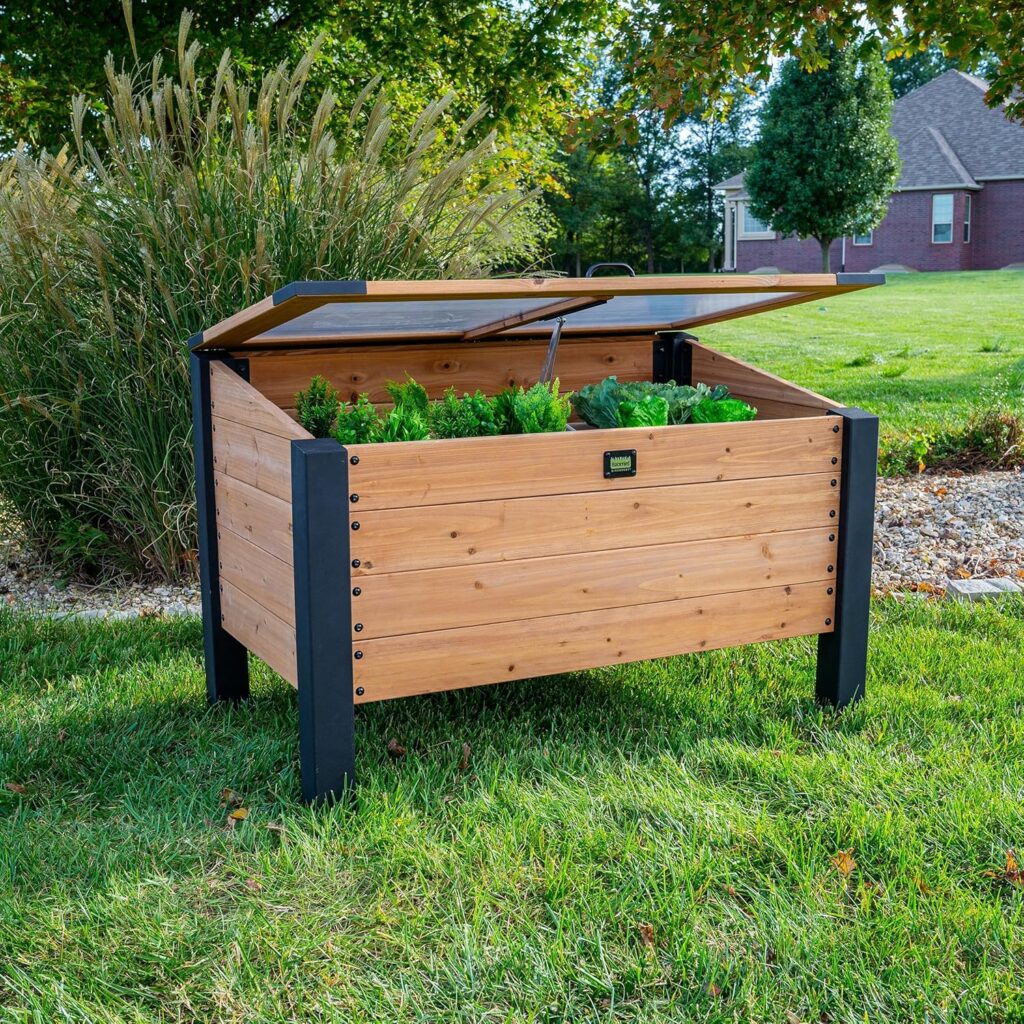
—Extend your harvest by using coldframes or cloches for winter greens. Even repurposed clear storage bins can be used for those who love to DIY.
—Give frost-sensitive plants a more beautiful backup: Wrap citrus and succulents in repurposed linen or burlap, supported with bent willow hoops or tomato cages.
We only recommend things we love. If you buy something through our site, we might earn a commission.